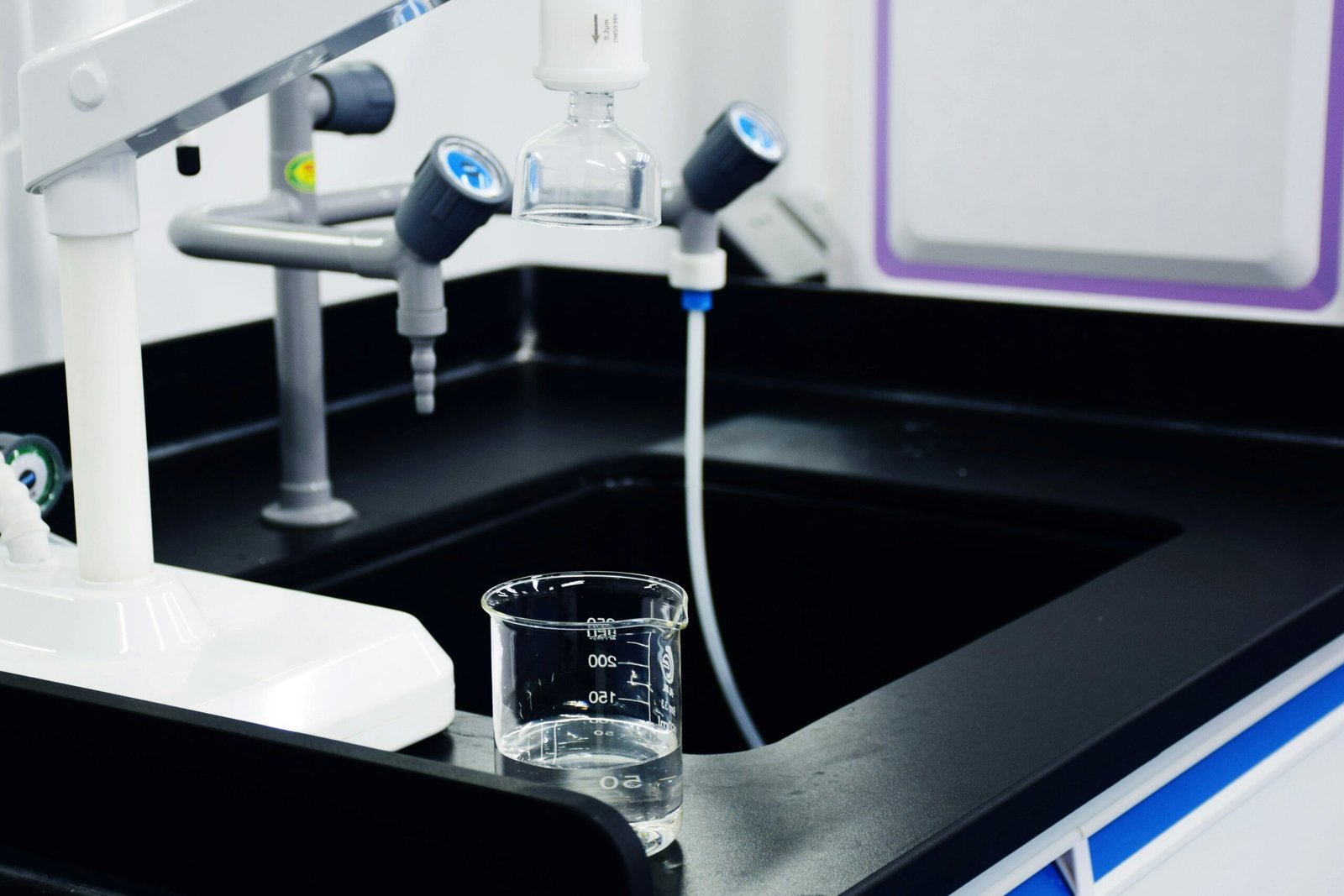
PFAS, also known as forever chemicals, are becoming a major concern in the United States
Research by Bachhu et al. (2025) revealed that these substances exist in numerous household items and often end up in rivers and aquifers through industrial waste and surface runoff. Their resistance to natural breakdown raises urgent questions about long-term water contamination and human exposure.
These chemicals pose significant risks to drinking water sources — affecting both public systems and private wells. Their persistence in soil and groundwater highlights the need for public awareness, policy action, and protective measures to maintain water quality across American communities.
Key Takeaways
- PFAS contamination can affect both city water systems and private wells.
- Their high persistence increases long-term environmental challenges.
- Industrial runoff and firefighting materials are key contamination sources.
- Experts are developing new strategies to address drinking water risks.
- Public education is essential for safeguarding local water supplies.
Understanding PFAS in the United States
Federal awareness of PFAS has increased as industries nationwide continue using these compounds in products that resist heat, oil, and stains. Decades of widespread use have led to environmental buildup. Policymakers now recognize the need to monitor and regulate these chemicals to protect public health and drinking water sources.
The Environmental Protection Agency (EPA) is finalizing regulations targeting six major PFAS compounds under the National Primary Drinking Water Regulation (NPDWR). Enforcement is expected to begin in 2024–2025, emphasizing stronger guidelines and more frequent testing.
| Year | Federal Action |
|---|---|
| 2024 | Final approval of six PFAS limits |
| 2025 | Mandatory compliance for public water systems |
What Are Forever Chemicals and Their Effect on Drinking Water?
Definition of PFAS Compounds
PFAS stands for Per- and Polyfluoroalkyl Substances, a group including PFOA and PFOS — chemicals known for resistance to water, heat, and grease. They are used in nonstick cookware, food packaging, carpets, and textiles.
Chemical Structure and Persistence
The carbon-fluorine bond in PFAS is among the strongest in chemistry, making these compounds nearly indestructible. Once released, they can linger in soil and groundwater for decades.
Potential Health Implications
Studies link PFAS exposure to endocrine disruption, liver toxicity, and reproductive issues. Their accumulation in the body underscores the need for consistent monitoring.
| PFAS Compound | Common Uses | Potential Risks |
|---|---|---|
| PFOA | Nonstick Cookware | Organ Toxicity |
| PFOS | Stain-Resistant Fabrics | Hormonal Disruption |
| Other PFAS Types | Food Packaging | Long-Term Environmental Build-Up |
How PFAS Enter Municipal Water Supplies
PFAS contamination begins when rainwater washes over industrial sites or landfills, carrying chemicals into streams, aquifers, or farmland. These contaminants enter municipal systems through untreated or inadequately treated water.
Industrial discharge from chemical plants such as 3M and DuPont worsens contamination. Outdated treatment systems struggle to filter PFAS, allowing them to reach household taps.
To combat this, local authorities are investing in advanced filtration technologies and infrastructure upgrades.
Challenges Facing Private Well Owners
Private wells face higher risks since federal regulations don’t apply to them. Many are near agricultural or industrial zones where PFAS infiltration is possible.
“Proactive sampling and timely filtration upgrades protect private wells from harmful contaminants.”
Regular testing and the installation of effective filtration systems remain the most practical defense.
Geographical Hotspots
Communities such as Hoosick Falls (NY) and Bennington (VT) have seen alarming PFAS levels in residential water. These cases stress the need for routine monitoring near industrial areas.
Regulatory Efforts to Address PFAS Contamination
The EPA’s new limits under the Safe Drinking Water Act (SDWA) set the Maximum Contaminant Level (MCL) for PFOA and PFOS at 4 parts per trillion (ppt) — the lowest measurable concentration.
| Substance | Proposed MCL |
|---|---|
| PFOA | 4 ppt |
| PFOS | 4 ppt |
| Other PFAS Mixtures | Hazard Index |
Some states enforce stricter thresholds, driving better infrastructure and increased monitoring.
“Eliminating toxic chemicals in tap water is a top priority,” — EPA Administrator Michael Regan.
Health Risks Linked to PFAS Exposure
- Hormonal imbalance and thyroid dysfunction
- Low birth weight and developmental delays
- Immune system suppression
- Increased risk of kidney and testicular cancers
Vulnerable Populations
Pregnant individuals, infants, and older adults are most at risk. The CDC recommends regular health screenings in affected regions.
Emerging Treatment Technologies
| Technology | Key Feature | Benefit |
|---|---|---|
| Activated Carbon | Adsorption Process | Reduces PFAS at Large Scale |
| Reverse Osmosis | Membrane Barrier | High Contaminant Rejection |
| Ion Exchange Resins | Targeted Binding | Selective Removal |
These advanced methods are vital for both municipal and household water systems.
Testing Programs and Water Quality Monitoring
EPA-certified methods like EPA 533 and EPA 537.1 are used for PFAS detection.
| Method | Main Purpose |
|---|---|
| EPA 533 | Multi-lab analysis for PFAS detection |
| EPA 537.1 | Detects broader PFAS range |
Routine testing ensures accountability and helps utilities act promptly when contamination exceeds safe limits.
Municipal Guidelines to Reduce PFAS Levels
Infrastructure Maintenance
Many cities are upgrading facilities with activated carbon filtration to reduce PFAS.
Public Education and Outreach
Community meetings, newsletters, and online resources help spread awareness and encourage participation in safety efforts.
Steps Homeowners Can Take
- Test water regularly with certified PFAS kits.
- Install RO or whole-house carbon systems.
- Consult local health departments.
- Replace filters as scheduled.
Maintaining vigilance and adapting to local advisories ensures safe, long-term water quality.
Cost Implications of PFAS Remediation
| Category | Estimated Range |
|---|---|
| Municipal Filtration Upgrades | $500,000 – $2,000,000 |
| Residential System Installation | $400 – $3,000 |
| Annual Maintenance | $100 – $500 |
Federal support, including $1 billion from the Infrastructure Investment and Jobs Act, assists municipalities with remediation efforts.
Public Awareness and Policy Initiatives
Grassroots advocacy is key in promoting PFAS awareness. Community forums, environmental organizations, and scientists continue to pressure for stronger laws and open reporting.
The Future of PFAS Research
Filtration Innovations
Researchers are developing bio-based filters and real-time monitoring sensors for next-generation purification.
Regulatory Advancements
Agencies are expanding oversight to include wastewater treatment and industrial discharge.
Health Impact Studies
Long-term studies are improving understanding of PFAS toxicity and exposure effects.
Ensuring a Future of Cleaner Water
Across the country, communities are uniting for PFAS-free water systems. Collaborative efforts among scientists, policymakers, and families are paving the way toward a safer, sustainable future — where every home enjoys chemical-free drinking water.
FAQ
1. What are “forever chemicals,” and why do they persist?
They are PFAS compounds with carbon-fluorine bonds that resist natural degradation, remaining for decades.
2. How do PFAS enter municipal water systems?
Through industrial runoff, landfill leachate, and wastewater discharge.
3. Why should private well owners be cautious?
Private wells lack federal oversight, making contamination harder to detect.
4. What are the current regulatory limits?
The EPA’s proposed MCL is 4 ppt for both PFOA and PFOS.
5. What health issues are linked to PFAS exposure?
Hormonal imbalance, immune suppression, and cancer risks.
6. Which filtration methods work best?
Activated carbon, reverse osmosis, and ion exchange resins.
7. How can communities monitor PFAS effectively?
By using EPA-approved testing and maintaining public reporting.
8. What are the financial implications?
Remediation is costly but supported by federal funding programs.
9. How are advocacy groups contributing?
They raise awareness and push for stricter PFAS regulations.
10. What’s next in PFAS research?
Expect innovations in bio-filtration, real-time sensors, and expanded EPA oversight.