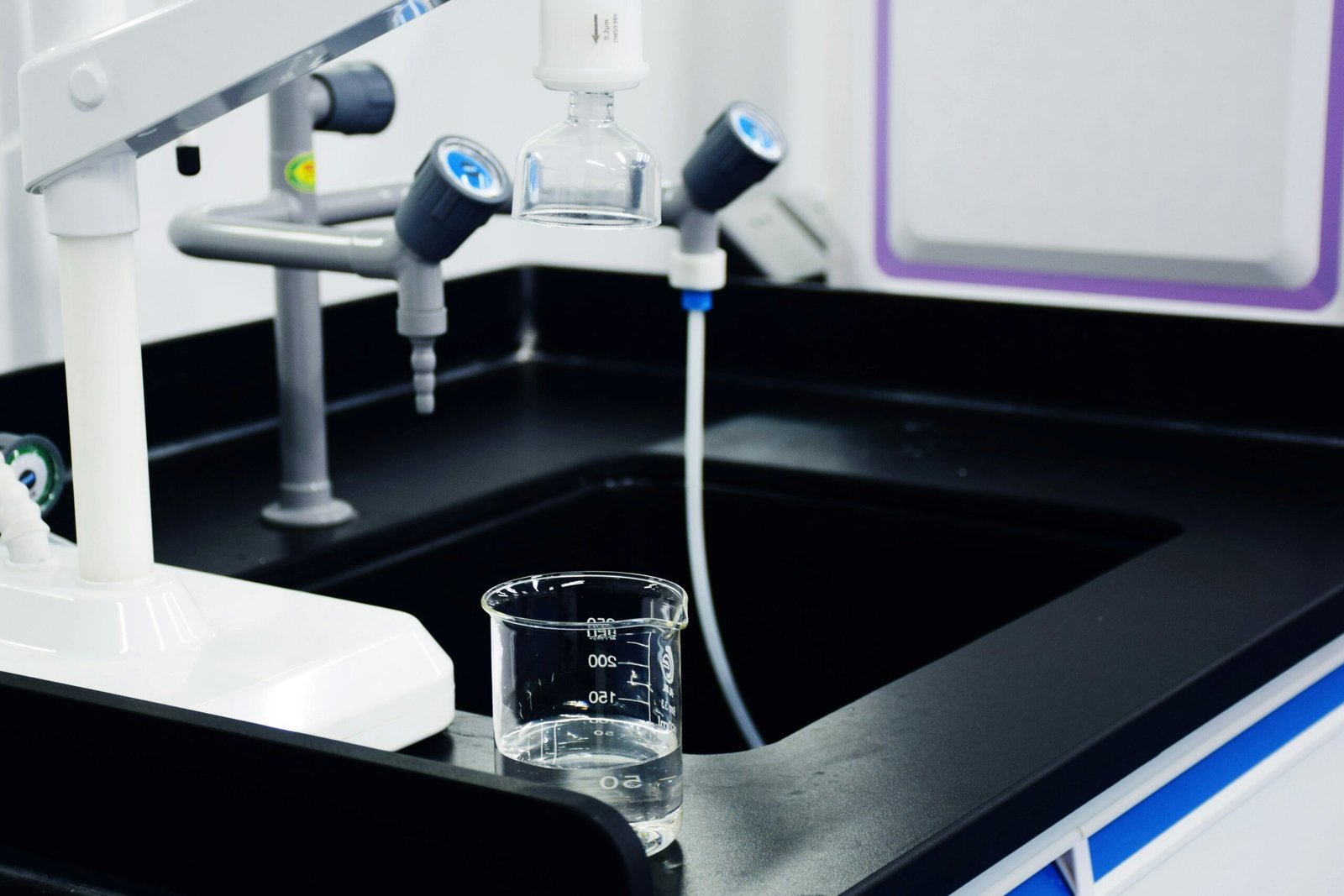
Lead and Copper in American Plumbing Systems
Lead and copper have been integral to many American plumbing systems for decades. They remain a critical concern for those aiming to avoid hidden health risks in older pipes. By examining local water quality, homeowners can detect early corrosion signs and take prompt action.
Inspection agencies emphasize accurate testing, offering communities the framework to identify issues and stay informed about water quality changes. Simple steps — such as routine pipe inspections and continuous monitoring — are essential for protecting families and ensuring safe drinking water.
Key Takeaways
- Lead and copper can affect water quality in aging homes.
- Regular testing helps identify early signs of contamination.
- Corroded systems may release harmful particles into tap water.
- Local inspectors and certified labs provide reliable guidance.
- Proactive measures reduce the risk of long-term exposure.
Potential Dangers of Lead and Copper in Residential Plumbing
Across the U.S., households face potential exposure to lead and copper through aging infrastructure. Elevated metal levels can impact health, often without visible warning signs. Property owners frequently overlook early indicators, but growing evidence highlights the need for ongoing vigilance.
What Are the Risks?
Lead exposure can harm children’s neurological development and affect adults’ cardiovascular and kidney health.
Copper exposure in excess can cause stomach irritation, nausea, or fatigue.
Monitoring changes in water clarity or taste can serve as an early warning.
Why Focus on Residential Plumbing?
Older homes often contain outdated materials that heighten lead and copper risks. Aging pipes may leach metals into tap water — especially after chemical or pressure changes in the system. Routine testing and filter use can reduce long-term health exposure, ensuring safer water for daily consumption.
The Role of Drinking Water Testing
Water testing is the most effective way to detect trace metals invisible to the naked eye. Many states and counties organize free or low-cost test programs for communities at risk.
Testing Steps
- Collect first-draw water samples in clean containers.
- Submit samples to certified labs for detailed analysis.
- Review results with local health officials to determine next steps.
Each step builds confidence that families are drinking and cooking with water that meets health standards.
Historical Context of Lead Use
Lead-based plumbing materials were historically valued for their flexibility and durability. Ancient civilizations — including Rome — used lead conduits for water transport.
By the early 20th century, this practice became widespread in American cities. As scientific understanding of toxicity grew, regulations shifted to protect consumers.
Modern Safety Standards
Today, the Environmental Protection Agency (EPA) enforces strict limits on lead and copper levels under the Safe Drinking Water Act (SDWA).
Public health agencies continue to monitor and upgrade systems, ensuring that history’s mistakes inform modern safety practices.
Common Signs of Metal Contamination
Physical changes in tap water often signal contamination:
| Indicator | Possible Cause |
|---|---|
| Metallic taste or odor | Lead or copper corrosion |
| Blue-green stains | Copper residue |
| Brownish stains | Rust or iron presence |
| Cloudy or chalky film | Mineral or metal buildup |
Other subtle symptoms include skin irritation, dryness, or scaling on fixtures. According to the EPA, any persistent discoloration or residue warrants immediate testing.
How Copper Corrosion Affects Flavor and Safety
Copper corrosion alters water taste and appearance. As inner pipe walls deteriorate, metallic or sour flavors may develop. Over time, this can increase metal concentration in the supply.
Taste and Odor Indicators
- Metallic scent or bitterness → Possible corrosion
- Sour or “tangy” aftertaste → Rising metal levels
- Discoloration or lingering odor → Internal pipe wear
Health Effects
Consuming high levels of copper may cause digestive distress, nausea, or fatigue. Immediate professional testing is advised when symptoms or metallic flavors persist.
Plumbing Materials to Watch Out For
Older plumbing systems are more likely to contain hazardous materials. Common culprits include:
| Material Type | Concern | Recommended Action |
|---|---|---|
| Lead Pipes | Metal leaching | Replace with PEX or copper alternatives |
| Corroded Copper | Metallic taste | Inspect and monitor corrosion levels |
| Galvanized Steel | Sediment buildup | Replace during remodeling |
| Brass Fittings | May contain lead alloys | Verify NSF/ANSI certification |
Regular inspections and material upgrades prevent hidden contamination before it impacts water quality.
Federal and State Guidelines
Safe drinking water relies on robust federal and state-level enforcement.
The EPA’s Lead and Copper Rule (LCR) establishes testing methods and maximum contaminant levels. State agencies may impose even stricter limits, depending on local water conditions.
How Regulations Work
- Utilities conduct periodic testing at household taps.
- Results guide whether corrosion control or pipe replacement is required.
- Noncompliance may lead to fines or public advisories.
These coordinated efforts help protect millions of homes from chronic metal exposure.
Strategies to Minimize Exposure
1. Flush Pipes Before Use
Let cold water run for 1–2 minutes before drinking or cooking — especially after long periods of inactivity.
2. Use Cold Water for Consumption
Hot water increases metal leaching. Always draw cold water for beverages and meal preparation.
3. Upgrade Faucets and Fixtures
Choose lead-free, NSF-certified brands to minimize contamination risk.
4. Identify Risk Areas in Older Homes
Inspect plumbing in homes built before 1986, when lead was still commonly used. Routine testing ensures early detection of hidden hazards.
| Action | Purpose |
|---|---|
| Review local guidelines | Understand testing schedules and safety limits |
| Install certified filters | Trap lead and copper particles |
| Replace aging pipes | Prevent future contamination |
Long-Term Health Effects
Exposure to metals in water can contribute to serious long-term conditions:
| Metal | Health Risk | Recommended Action |
|---|---|---|
| Lead | Neurological and developmental damage | Install certified filters, test annually |
| Copper | Digestive distress and fatigue | Test and replace corroded lines |
Research shows chronic metal exposure can affect organ function, bone density, and child development. Routine monitoring and quality filtration are crucial for prevention.
Testing Methods for Early Detection
Timely detection helps ensure household safety and compliance with regulations.
At-Home Kits
- Quick results for peace of mind
- Easy to use and affordable
- Color-change strips indicate contamination presence
Laboratory Analysis
- Offers certified, accurate results
- Detects trace amounts of lead or copper
- Recommended every 6–12 months for older properties
Early testing supports maintenance decisions and helps homeowners plan effective filtration or replacement strategies.
When to Seek Professional Plumbing Inspections
Professional inspections are vital when:
- Water is consistently discolored or tastes metallic
- Plumbing fixtures show rust or blue-green stains
- Water pressure drops or bills increase unexpectedly
| Inspection Type | Focus Area | Frequency |
|---|---|---|
| Video Camera Check | Internal pipe corrosion | Every 2–3 years |
| Pressure Test | Leaks and weak flow | Annually |
| Water Quality Audit | Hidden contamination | Every 12 months |
These inspections prevent costly damage and ensure your home’s plumbing remains safe and efficient.
At-Home Filtration and Maintenance Tips
Reliable filtration systems protect against contaminants and preserve taste. Popular systems include reverse osmosis, carbon block, and ceramic filters.
Maintenance Guidelines
- Replace filters as per manufacturer schedule
- Flush systems after installation
- Monitor performance weekly
- Keep seals clean and leak-free
A structured maintenance plan prevents metal buildup and extends system life.
Planning for Plumbing Upgrades
Upgrading outdated plumbing components ensures long-term safety.
Homeowners should:
| Step | Focus | Benefit |
|---|---|---|
| 1 | Assess existing systems | Identify corrosion-prone areas |
| 2 | Budget | Prepare for phased upgrades |
| 3 | Plan | Ensure compliance with local codes |
Consulting licensed plumbers ensures proper installation and water quality improvement.
Costs and Benefits of Prevention
Preventive maintenance — including testing, filtration, and pipe replacement — may seem costly upfront but delivers major benefits:
- Improved water safety and taste
- Fewer emergency repairs
- Better long-term health outcomes
Proactive homeowners often save more by addressing corrosion before it escalates.
DIY vs Professional Assistance
| Approach | Pros | Cons |
|---|---|---|
| DIY | Cost-effective, flexible | Requires technical knowledge, risk of error |
| Professional | Accurate testing and installation | Higher initial cost |
Both methods can work effectively if paired with reliable materials and consistent testing.
Maintaining a Healthy Water System for the Future
Keeping your plumbing healthy requires a mix of vigilance, maintenance, and modernization.
Regular testing, scheduled filter replacements, and professional inspections help ensure every faucet delivers clean, safe water.
Homeowners who invest in early detection and modern upgrades not only improve water quality but also safeguard their family’s long-term health.
FAQ
1. Why are lead and copper such a concern in old plumbing?
They can leach into tap water, posing neurological, cardiovascular, and digestive risks.
2. How does copper corrosion affect water quality?
It gives water a metallic taste and can cause mild health effects if ingested regularly.
3. How can homeowners test for metals?
Use home test kits or send samples to certified labs for precise results.
4. What do state and federal guidelines say?
The EPA sets maximum contaminant levels; some states enforce stricter standards.
5. Are home filters effective?
Yes — if NSF/ANSI certified, especially reverse osmosis and carbon filters.
6. When should professional help be called?
If discoloration, stains, or odors persist despite flushing or filtering.
7. What’s the best long-term prevention?
Pipe replacement, regular testing, and consistent maintenance.